
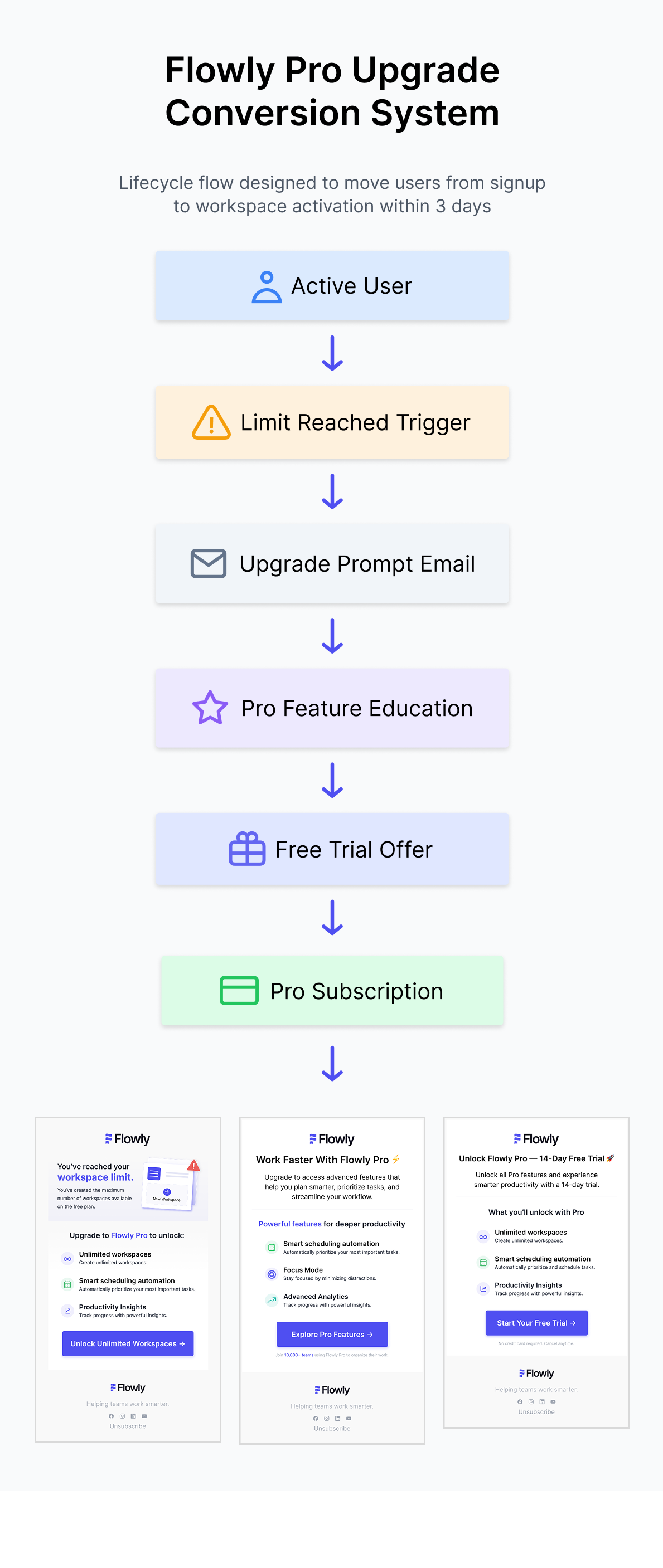
Designed a behavior-based lifecycle that increases feature adoption, reinforces product value, and drives long-term user retention through progressive feature education.
Project Details
Platform: Klaviyo + Figma
Focus: Product Adoption • Lifecycle Marketing • User Retention
Trigger: Feature Engagement + Product Usage Events
Focus: Product Adoption • Lifecycle Marketing • User Retention
Trigger: Feature Engagement + Product Usage Events
The Opportunity
Many SaaS users never move beyond basic product usage. While they may complete onboarding, they often fail to discover key functionality that drives long-term retention and product stickiness.
This creates three common challenges:
• Underutilized product features
• Reduced user engagement over time
• Lower retention and expansion opportunities
• Underutilized product features
• Reduced user engagement over time
• Lower retention and expansion opportunities
The opportunity was to design a lifecycle that continuously introduces product value and encourages deeper adoption as user maturity increases.
Adoption Strategy
Rather than overwhelming users with every feature at once, the lifecycle delivers product education progressively based on engagement signals.
The framework focuses on three principles:
• Introduce Value
• Help users understand what the product can do.
• Reduce Friction
• Simplify feature discovery and encourage first use.
• Reinforce Success
• Introduce Value
• Help users understand what the product can do.
• Reduce Friction
• Simplify feature discovery and encourage first use.
• Reinforce Success
Show how advanced functionality supports ongoing goals and workflows.
Understanding the Adoption Journey
Before designing the lifecycle, I mapped the progression from
initial activation to deeper product engagement.
initial activation to deeper product engagement.
Key observations included:
• Users relied heavily on a limited set of features
• Advanced functionality was often undiscovered
• Product value increased significantly after multi-feature adoption
• Users relied heavily on a limited set of features
• Advanced functionality was often undiscovered
• Product value increased significantly after multi-feature adoption
These insights informed the timing, sequencing, and educational strategy used throughout the lifecycle.
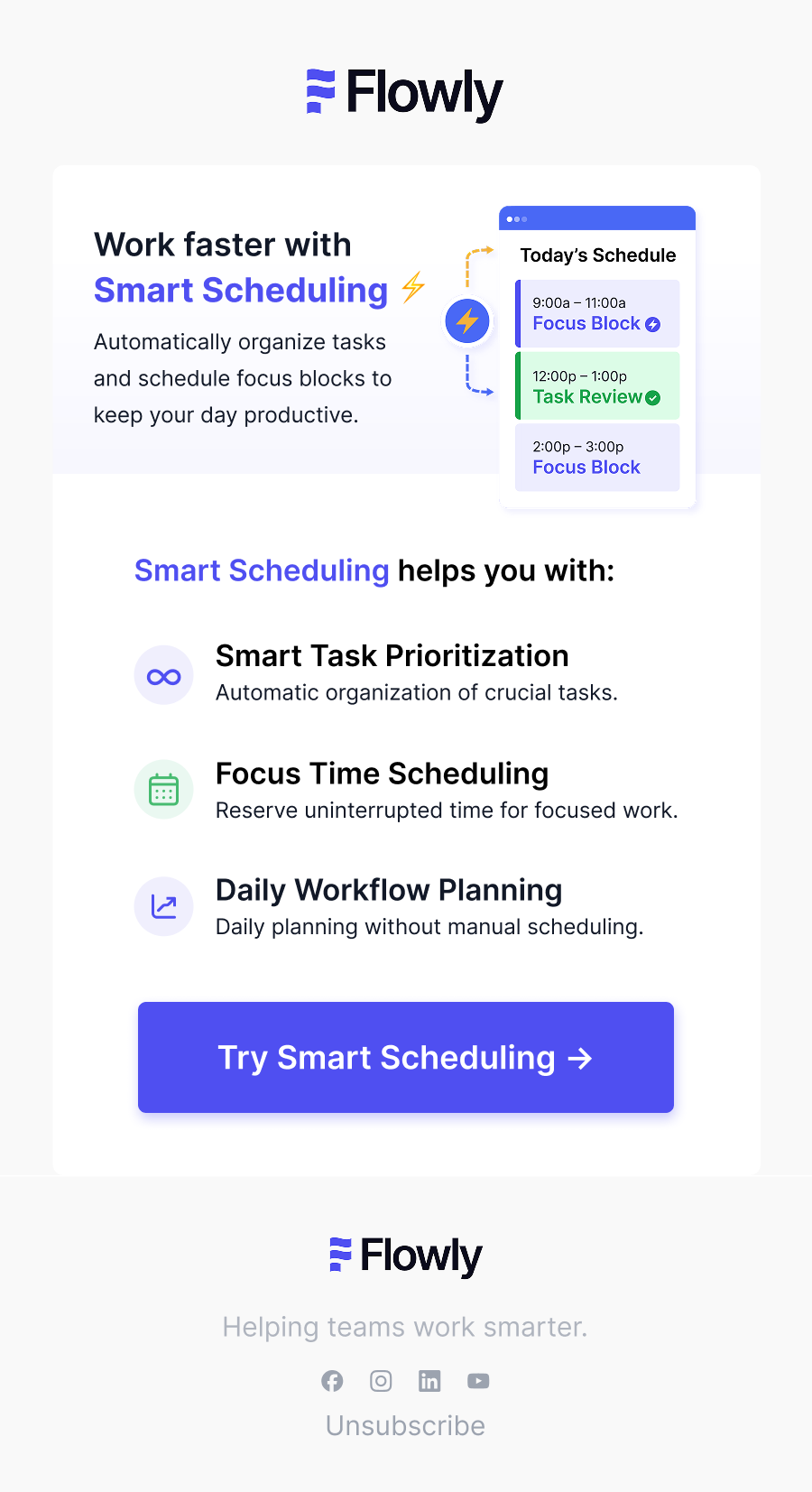
Step 1 — Introduce Value
Objective
Increase awareness of product capabilities and establish additional use cases.
Increase awareness of product capabilities and establish additional use cases.
Key Tactics
• Feature awareness campaigns
• Educational onboarding extensions
• Benefit-driven messaging
• Feature awareness campaigns
• Educational onboarding extensions
• Benefit-driven messaging
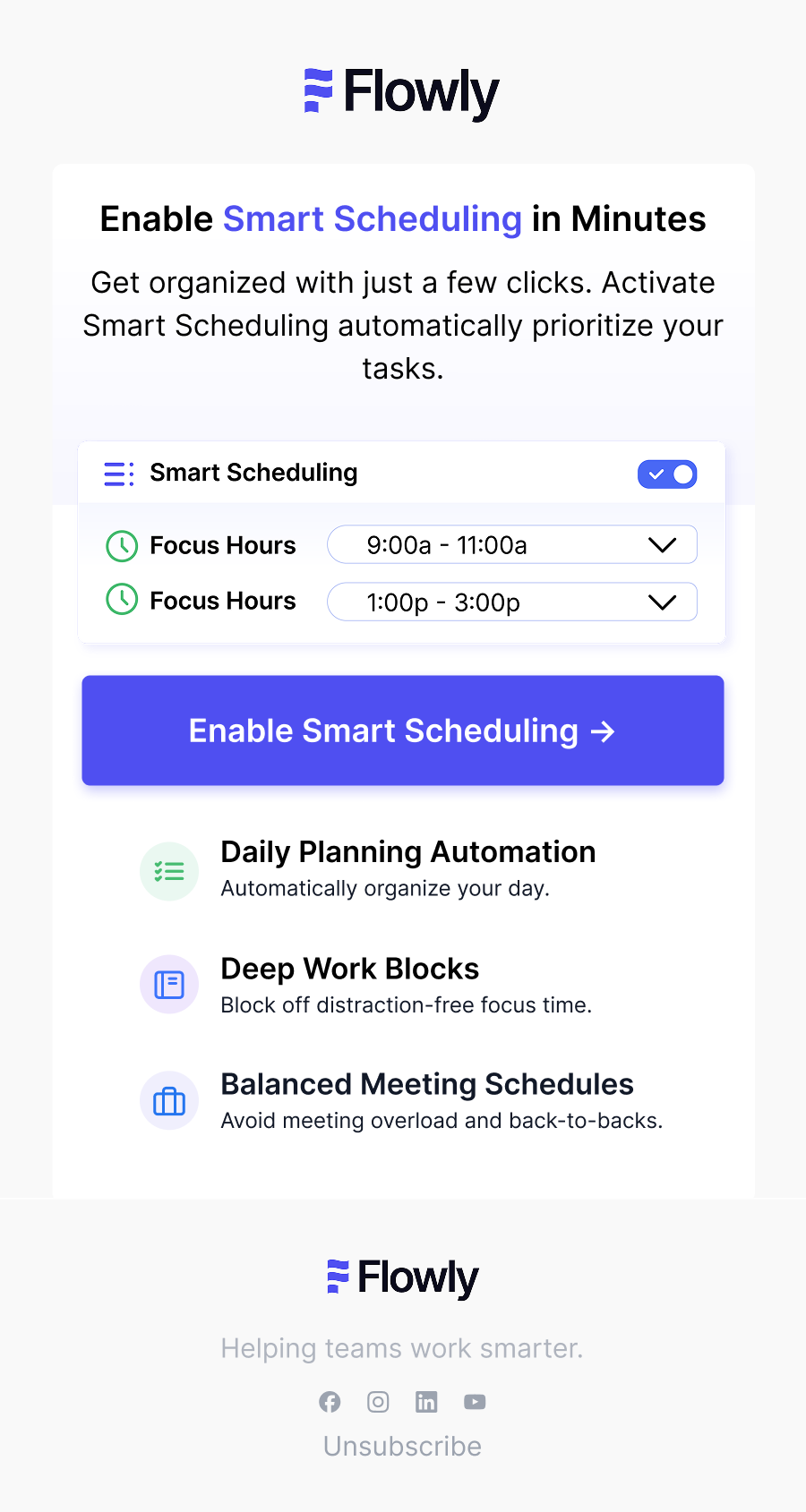
Step 2 — Reduce Friction
Objective
Encourage feature adoption by making key actions easier to discover and complete.
Encourage feature adoption by making key actions easier to discover and complete.
Key Tactics
• Guided feature exploration
• Simplified workflows
• Contextual education
• Guided feature exploration
• Simplified workflows
• Contextual education
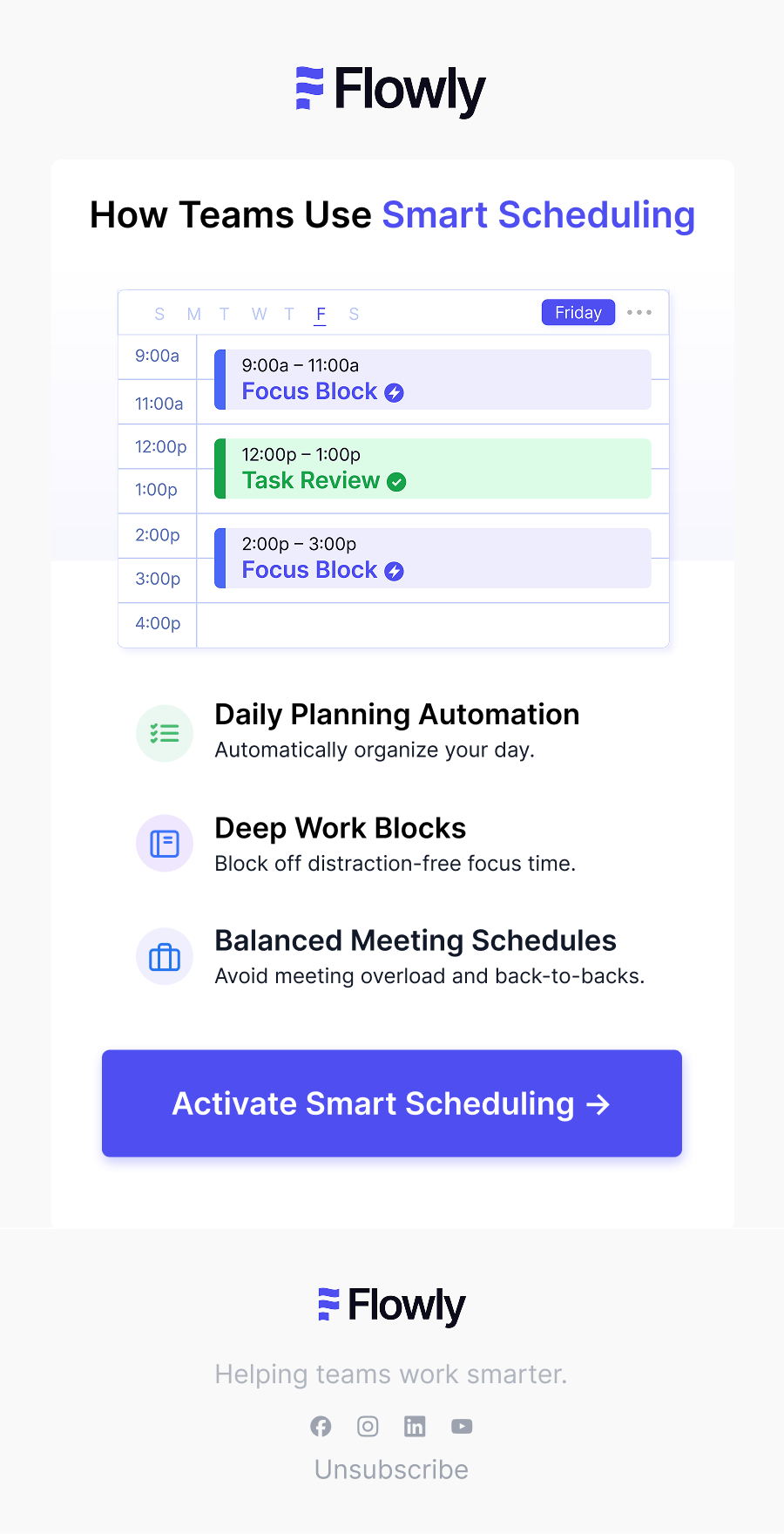
Step 3 — Reinforce Success
Objective
Strengthen product habits by connecting features to measurable outcomes.
Strengthen product habits by connecting features to measurable outcomes.
Key Tactics
• Use-case reinforcement
• Advanced feature discovery
• Ongoing value demonstration
• Use-case reinforcement
• Advanced feature discovery
• Ongoing value demonstration
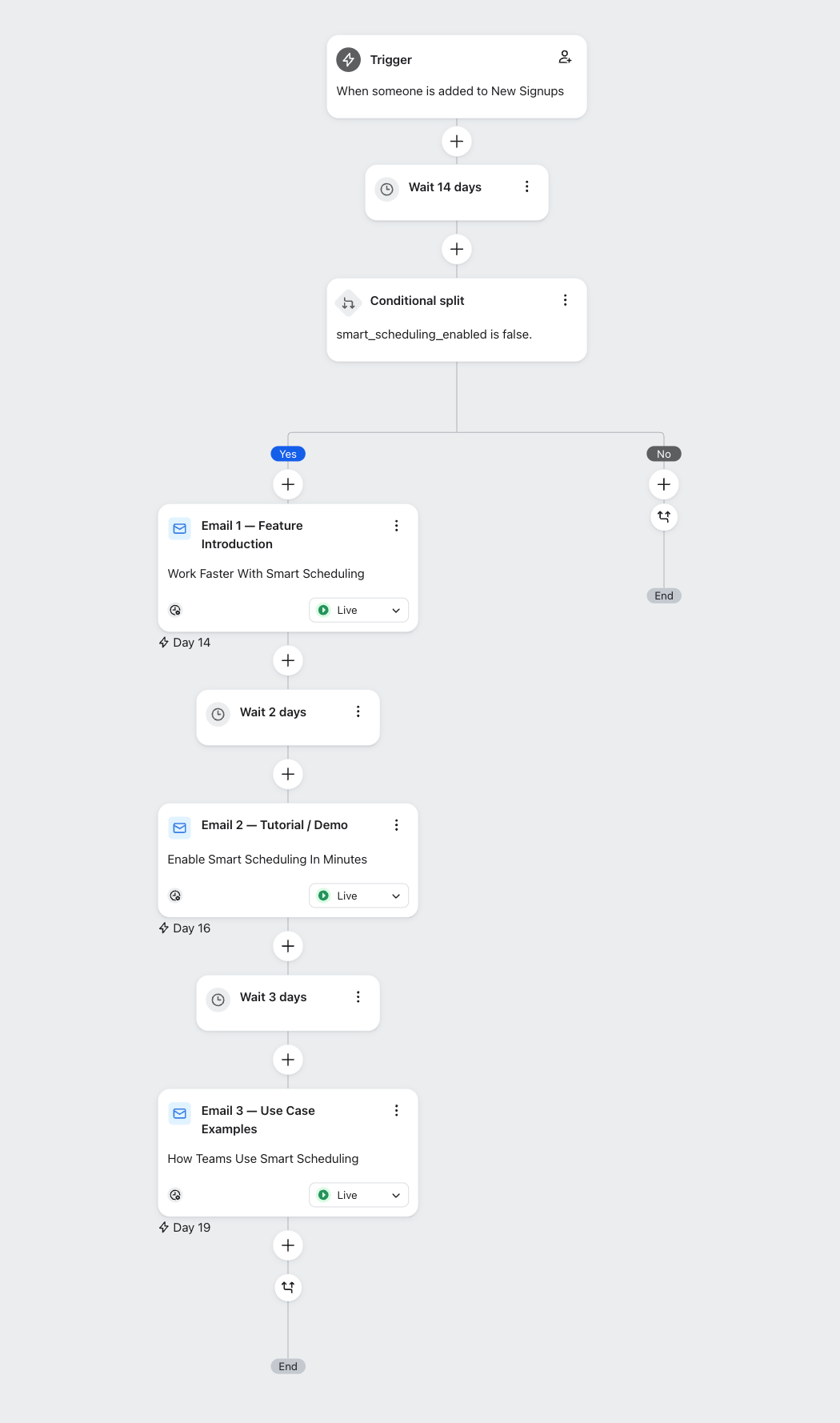
Lifecycle Architecture
The adoption lifecycle was built using behavioral triggers, engagement filters,
and progressive educational paths.
and progressive educational paths.
Core Logic
• Feature engagement initiates educational sequences
• User behavior determines content progression
• New feature adoption unlocks additional education paths
• Engagement signals dynamically influence messaging
• Feature engagement initiates educational sequences
• User behavior determines content progression
• New feature adoption unlocks additional education paths
• Engagement signals dynamically influence messaging
Key Takeaway
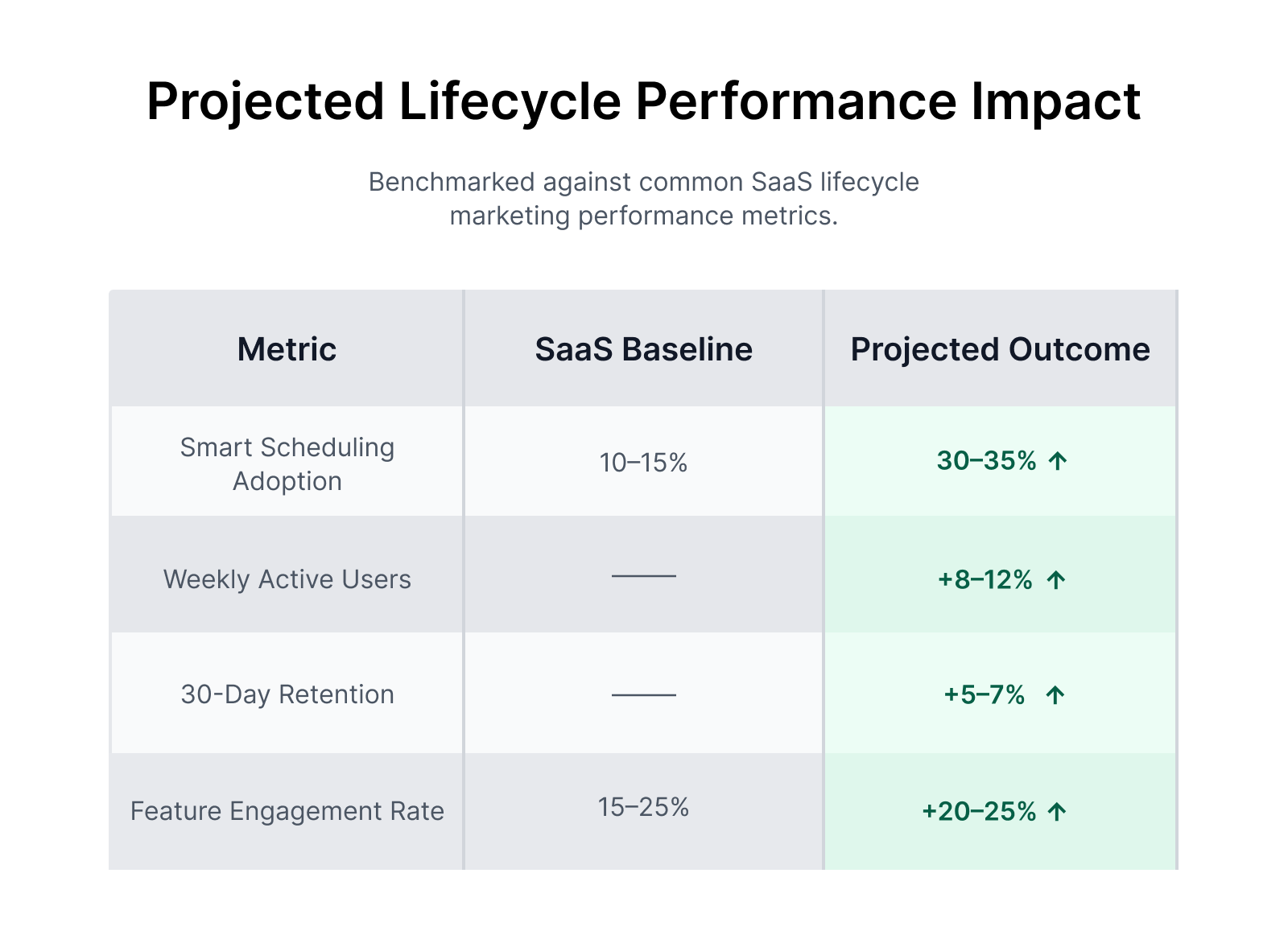
Product adoption is one of the strongest predictors of long-term retention. By delivering feature education progressively and aligning communication with user behavior, the lifecycle helps users discover more value, build stronger habits, and deepen their engagement with the product over time.